Whether you’re planning an indoor or outdoor event, creating an engaging event site layout is crucial for a memorable visitor experience. A well thought-out layout can enhance attendee flow and interaction.
Event coordinators face the challenge of balancing aesthetics with functionality. They must ensure that the design meets both logistical needs and visitor expectations. This requires careful planning and the right tools.
Event layout software like OnePlan offers solutions to streamline this process. These tools provide features like drag-and-drop functionality and real-time collaboration. They help coordinators manage complex layouts efficiently.
Venue managers also benefit from these technologies. They can address last-minute changes and optimize site logistics with ease. This adaptability is key to successful event management.
In this guide, we explore strategies to optimize event site layouts. We focus on enhancing visitor experiences through effective planning and technology integration.
The Importance of Event Site Layout in Visitor Experience
A well-executed event site layout is pivotal to a smooth and enjoyable visitor experience. It affects how easily attendees can navigate and engage with the event. An intuitive and well communicated event site layout minimizes confusion and maximizes interaction. The flow of traffic within a venue is a major consideration. Poor layout design can lead to congestion and frustration. By strategically planning entrances, exits, and activity zones, you can ensure efficient movement throughout the venue.
Bear in mind event site layout impacts more than just physical movement. It’s also a powerful tool for audience engagement. Cleverly positioned stages, displays, and rest areas encourage interaction and create memorable experiences.
When designing an event layout, event planners should prioritize:
- Ease of access and navigation
- Strategic placement of key features
- Clear signposting and wayfinding
Proper layout planning leads to an event that runs seamlessly, leaving a lasting positive impression on attendees.
Key Principles of Effective Event Layout Planning
An effective event layout requires strategic planning that considers both functionality and aesthetics. This planning helps ensure a seamless experience for everyone involved. A structured approach to layout design increases efficiency and visitor satisfaction.
Key principles of effective event layout planning include flexibility and adaptability. An adaptable layout can accommodate changes and unexpected developments. This readiness proves invaluable, especially in dynamic event environments.
Consider the following core principles:
- Flexibility in design
- Integration of technology
- Efficient use of space
- Seamless traffic flow
By focusing on these principles, event planners can create layouts that not only meet logistical needs but also enhance the overall visitor experience. Embracing these strategies positions organizers to achieve success and create impactful events.
Event Layout Design: Balancing Functionality and Aesthetics
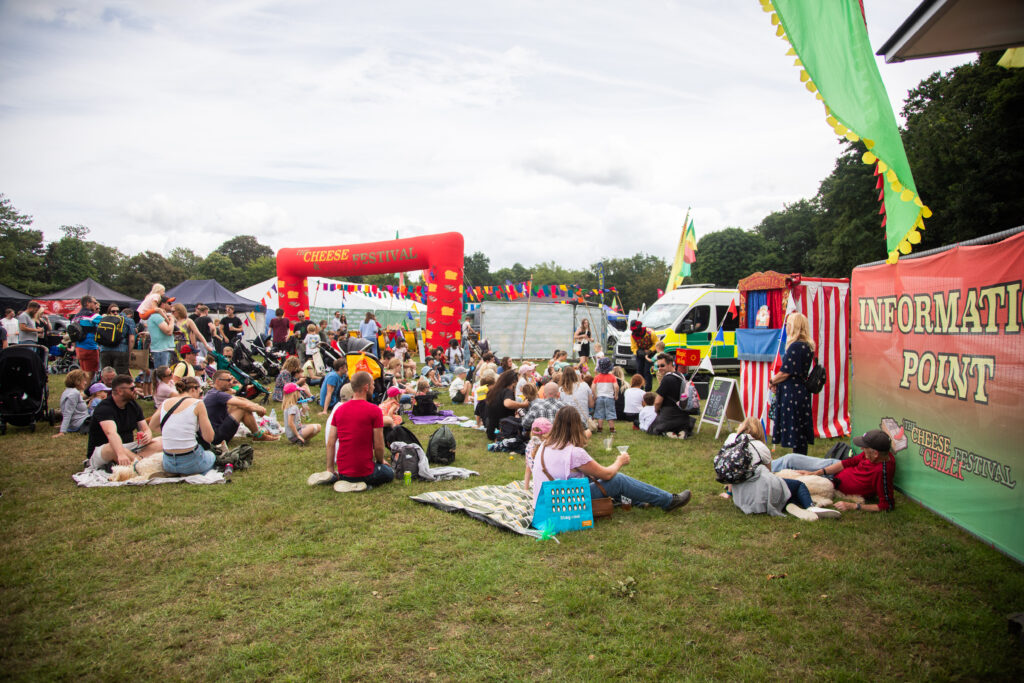
Whether indoor or outdoor, designing an event layout involves finding the right balance between functionality and visual appeal. This equilibrium ensures that the space is both practical for operations and engaging for attendees. A well-considered design can make the difference between an event that merely functions and one that delights.
Functional aspects of event layout design focus on accessibility and flow. These components ensure visitors can navigate the space effortlessly, enhancing their overall experience. A design that prioritizes effective traffic management can prevent congestion and optimize attendee movement.
On the flip side, aesthetics play a crucial role in conveying the event’s theme and mood. Visual elements such as lighting and decor can transform an event site or venue, making it inviting and memorable. Thoughtful design choices can enhance brand presence and elevate attendee perceptions.
Consider these key elements for balancing design:
- Harmonized decor
- Efficient lighting
- Strategic signage placement
- Space utilization
By integrating these elements, planners can craft environments where form and function coexist harmoniously, leading to successful and memorable events.
Leveraging Event Layout Software and Tools
Modern event layout software enhances planning precision. These tools offer powerful features for streamlining logistics and design processes. By utilizing these technologies, event coordinators can plan more efficiently.
One key advantage is real-time collaboration. Teams can update layouts simultaneously, ensuring everyone stays informed and aligned. This reduces the risk of miscommunication and enhances coordination among vendors and stakeholders.
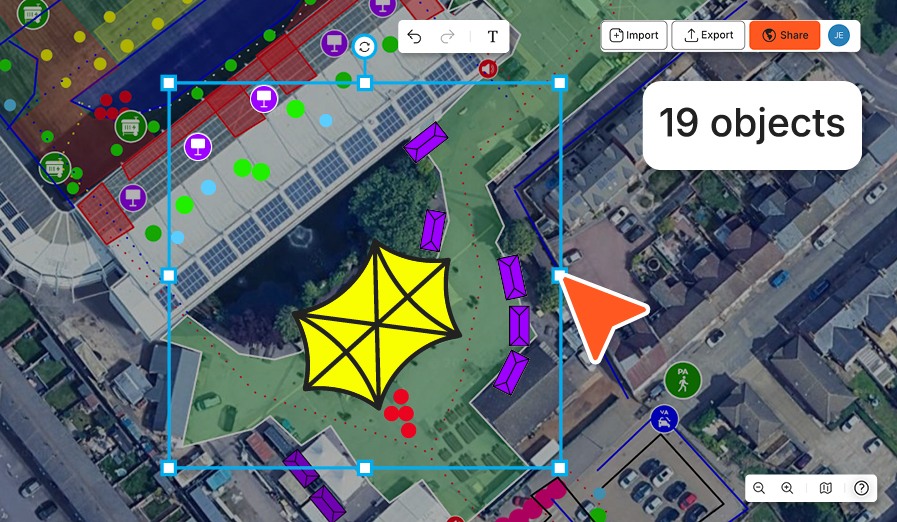
Most software solutions now include intuitive drag-and-drop functionality. This feature allows planners to visualize and adjust the layout with ease. Such flexibility empowers users to explore different configurations swiftly and creatively.
Key features to look for in event layout tools include:
- Real-time collaboration
- Drag-and-drop interface
- Compatibility with venue floor plans
Moreover, cloud-based platforms enable remote access to event plans. This is vital for coordinators managing multiple venues or last-minute changes. With these tools, adaptability and responsiveness are at the forefront of event planning.
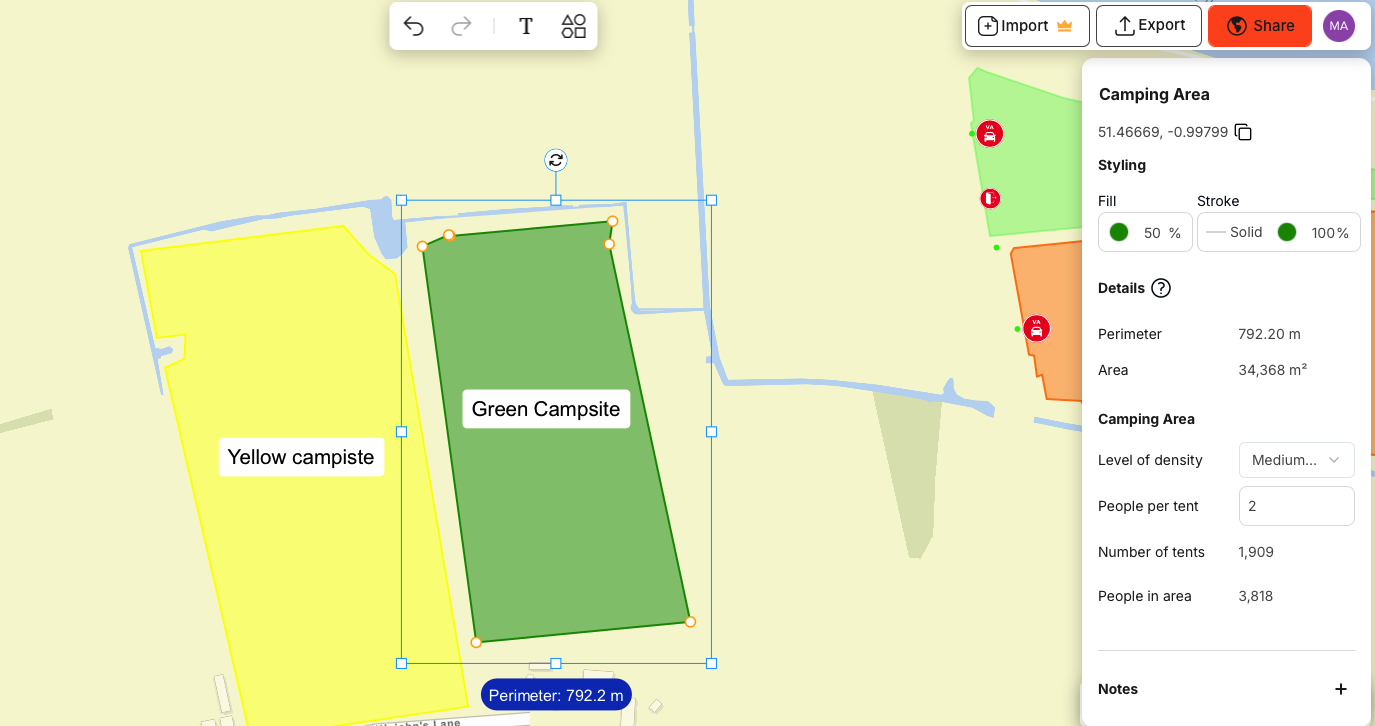
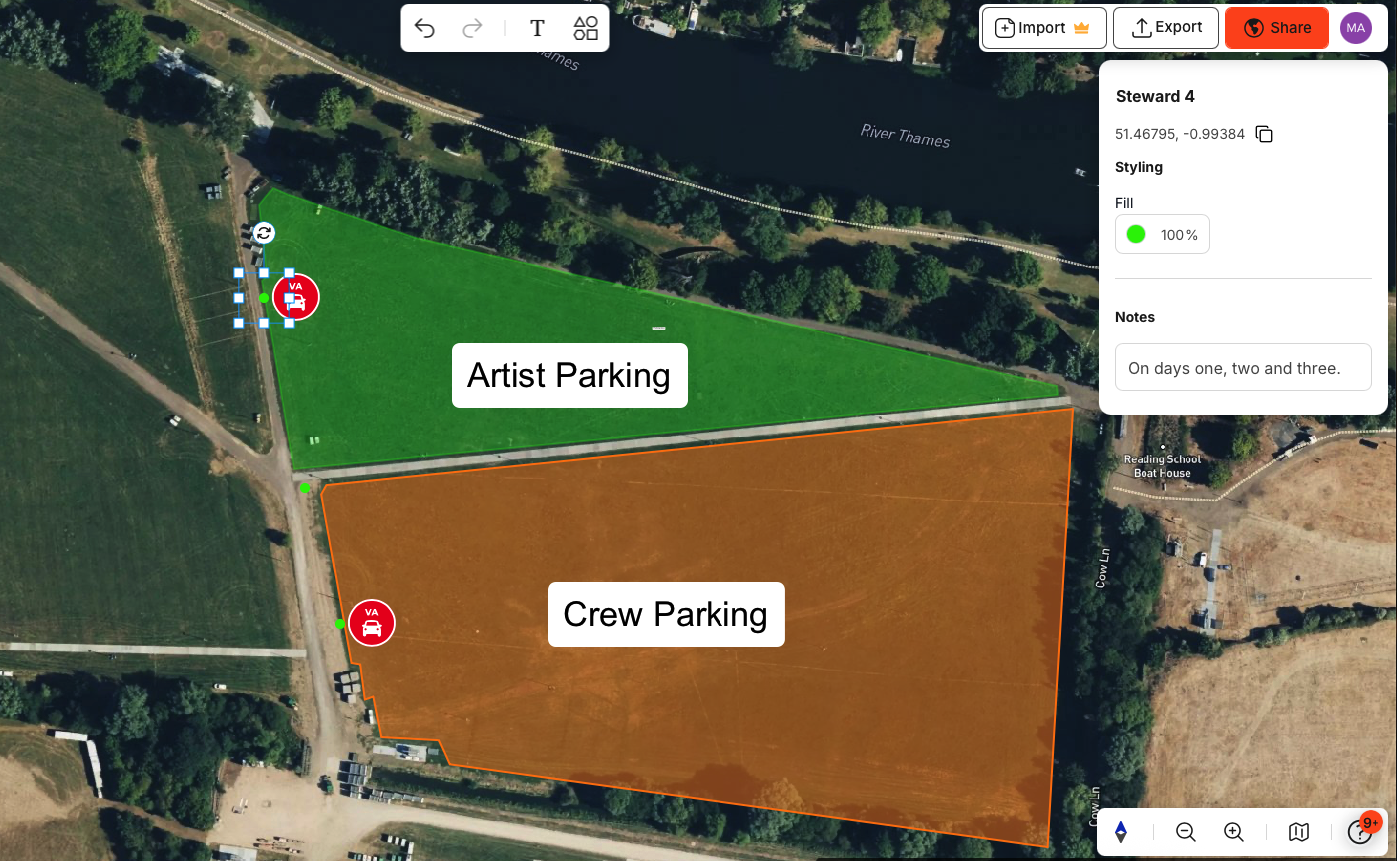
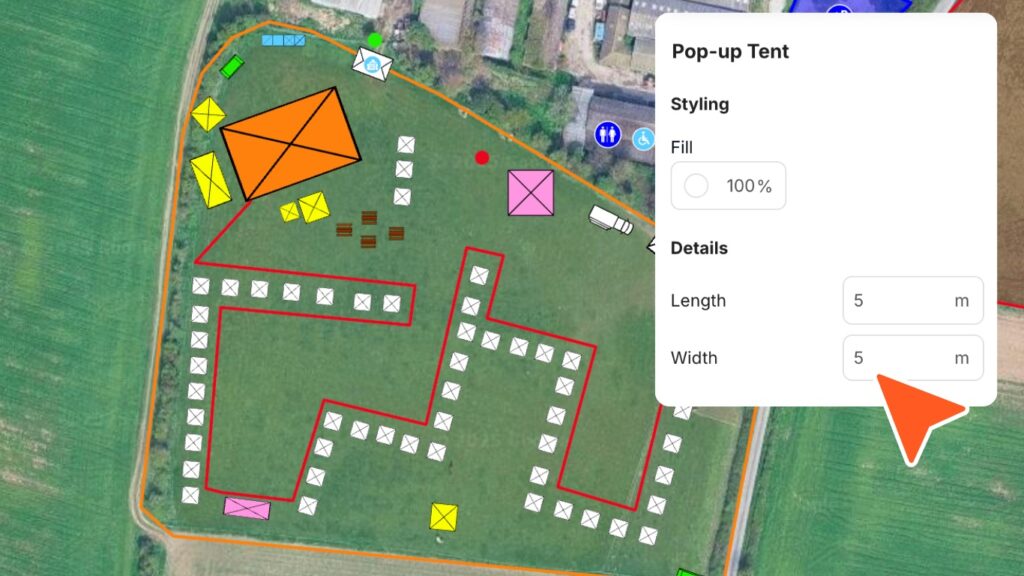
OnePlan is an event layout software built for both indoor and outdoor events, individual users and teams. It allows you to plan your event site with to-scale accuracy and collaborate in real-time with your team. The drag-and-drop interface makes it simple to test different event layout scenarios and optimize space —without needing to visit the location in person.
OnePlan is free for one event with up to 50 objects on the plan. If you’re an event organizer or venue manager looking to streamline your planning process, sign up free now.
Creating and Optimizing Your Event Plan
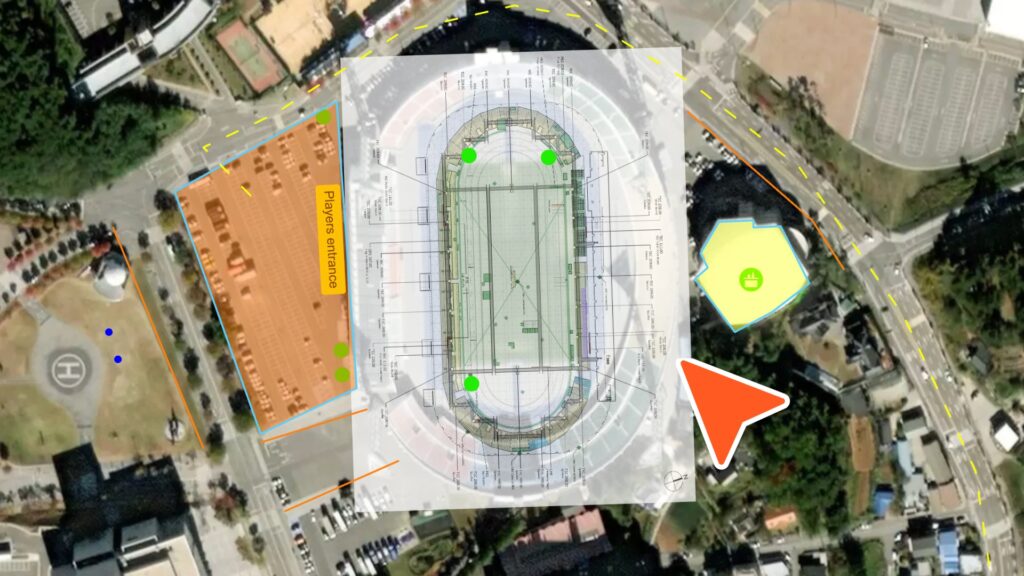
Whether you’re using an indoor or outdoor venue, a detailed event site plan is crucial for effective event management. It serves as the foundation for all planning activities, from setup to execution. Precise floor plans guide traffic flow and enhance space utilization.
To create an optimal plan, consider the intended attendee experience. Map out key areas such as entry points, seating, and amenities. This attention to detail ensures seamless navigation for guests and staff alike.
Reviewing the logistics of the venue is also essential. Assess entry and exit routes, emergency access, and service corridors. These elements are critical for both safety and functionality during the event.
For optimizing your event plan, remember to:
- Identify key traffic zones
- Include emergency exits
- Factor in accessibility
- Maximize usable space
Adapting to Last-Minute Changes and On-Site Adjustments
Handling unexpected changes is a critical skill for event success. Flexibility in layout planning helps manage unforeseen challenges smoothly. Digital layout tools allow swift modifications and real-time updates and can save a lot of time before and during the event.
While the event is taking place, organizers should maintain a proactive approach to quickly respond to on-site demands.
Key practices include:
- Regular communication with staff and vendors
- Utilizing digital event plans
- Preparing contingency plans for potential setbacks
By staying prepared and adaptable, you ensure a seamless event experience, regardless of last-minute changes.
Accessibility, Safety, and Compliance in Event Layouts
Ensuring accessibility in event layouts enhances inclusivity. Emphasize barrier-free paths for those with mobility challenges.
Safety considerations are crucial. Prioritize clear emergency exit routes and allocate space for safety equipment. Compliance with local regulations and safety standards is non-negotiable.
To achieve these goals:
- Design barrier-free access points
- Plan clear and visible safety routes
- Stay updated on compliance standards
Prioritizing these elements not only ensures a secure environment but also demonstrates respect and care for all event participants.
Using Data, Feedback, and Analytics to Refine Layouts
Data-driven insights significantly enhance event layout planning. By analyzing attendee flow and engagement patterns, planners can make informed adjustments to optimize future layouts.
Collecting feedback from event participants provides direct insight into their experiences and can be used to improve the layout for future versions of your event.
Consider these strategies:
- Analyze attendee movement patterns
- Gather post-event feedback
- Use data to identify bottlenecks
By leveraging data and analytics, you can continuously refine layouts, ensuring each event offers an improved and seamless experience for attendees.
Site Plans We Love
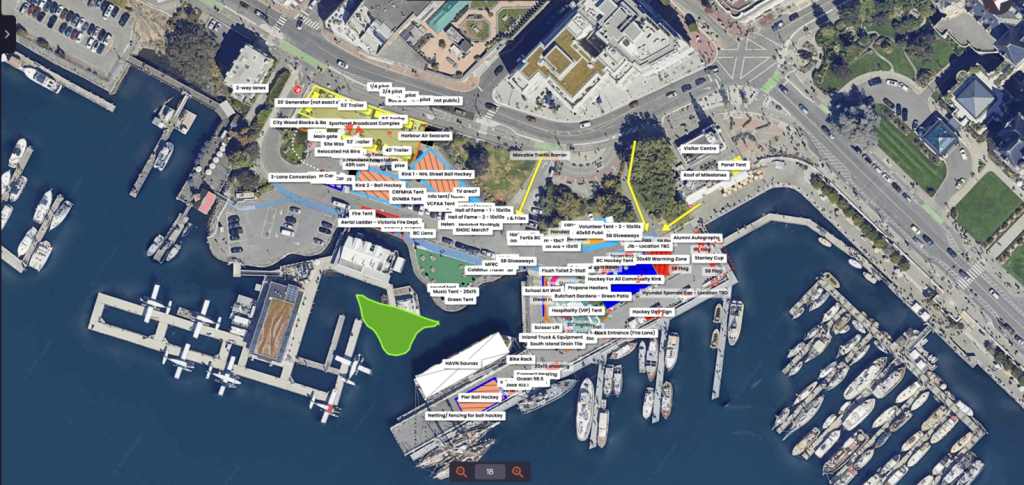
If you’re looking for inspiration for your event layout, check out the site plans we love. They are real-world event site plans made in OnePlan that elevated visitor experience.
Best Practices and Future Trends in Event Layout Planning
Staying ahead in event layout planning requires adopting current best practices and staying aware of emerging trends. Effective use of data and feedback informs better decision-making.
To excel, focus on:
- Utilizing AI for predictive analytics
- Adopting eco-friendly materials and designs
- Enhancing virtual and hybrid event components
These best practices promote sustainability, engagement and innovation. Trends indicate a shift towards more interactive, personalized attendee experiences. By integrating these strategies, planners can create versatile layouts. This adaptability ensures relevance and enhances visitor satisfaction at future events.