Booking the right venue is one of the most important steps in successful event planning. The venue sets the tone, impacts logistics, and directly shapes the experience for your attendees. Whether it’s a festival, community event, or sports tournament, taking a strategic approach to venue booking can save you time, money, and stress.
Here’s a complete guide to help you book the perfect venue – from defining your needs to leveraging technology for seamless planning.
Step 1: Understand Your Event’s Requirements
Before you start searching for venues, define exactly what your event needs.
Consider:
- The type of event, such as a festival, fair, sports event or fan zone.
- The number of attendees and any special accessibility requirements.
- The ambience and atmosphere you want to create.
A corporate seminar may need a professional setting with strong Wi-Fi and AV support, while a sports tournament will likely call for easy crowd flow to and from seats.
Understanding your event’s scale and style helps you quickly narrow your options – ensuring you don’t waste time evaluating unsuitable spaces.
Step 2: Set a Realistic Budget
A clear budget is your roadmap. Remember, venue costs go beyond rental fees. Include:
- AV and technology setup
- Temporary infrastructure and other suppliers required
- Additional rentals (furniture, lighting, etc.)
- Staffing, cleaning, and security
- Catering and décor
Always keep a contingency fund for unexpected costs. Prioritise your spending: if the venue’s aesthetic is key, you may compromise on décor; if entertainment is your focus, choose a simpler space.
Step 3: Choose the Right Location
Your venue’s location can make or break attendance. Think about:
- Accessibility for attendees, including public transport and parking.
- Proximity to hotels, restaurants, or attractions.
- Accessibility for people with disabilities.
A venue in a scenic rural area may offer a beautiful backdrop but might require shuttle services. Urban venues often provide convenience and post-event entertainment options – choose what fits your goals.
Step 4: Research and Shortlist Venues
Use online tools to streamline your search.
- Explore venue directories like EventUp and Peerspace, which filter by location, capacity, and amenities.
- Read reviews and testimonials from past clients to understand each venue’s strengths and weaknesses.
- Tap into online communities — event planning forums or LinkedIn groups often share hidden gems.
Once you have a shortlist, schedule site visits to experience the space firsthand.
Step 5: Visit Venues and Assess in Person
A personal visit helps you evaluate the layout, flow, and functionality of each space. During your visit:
- Check lighting, acoustics, and accessibility.
- Review on-site amenities like restrooms, loading areas, and storage.
- Meet the venue manager to discuss flexibility, setup times, and policies.
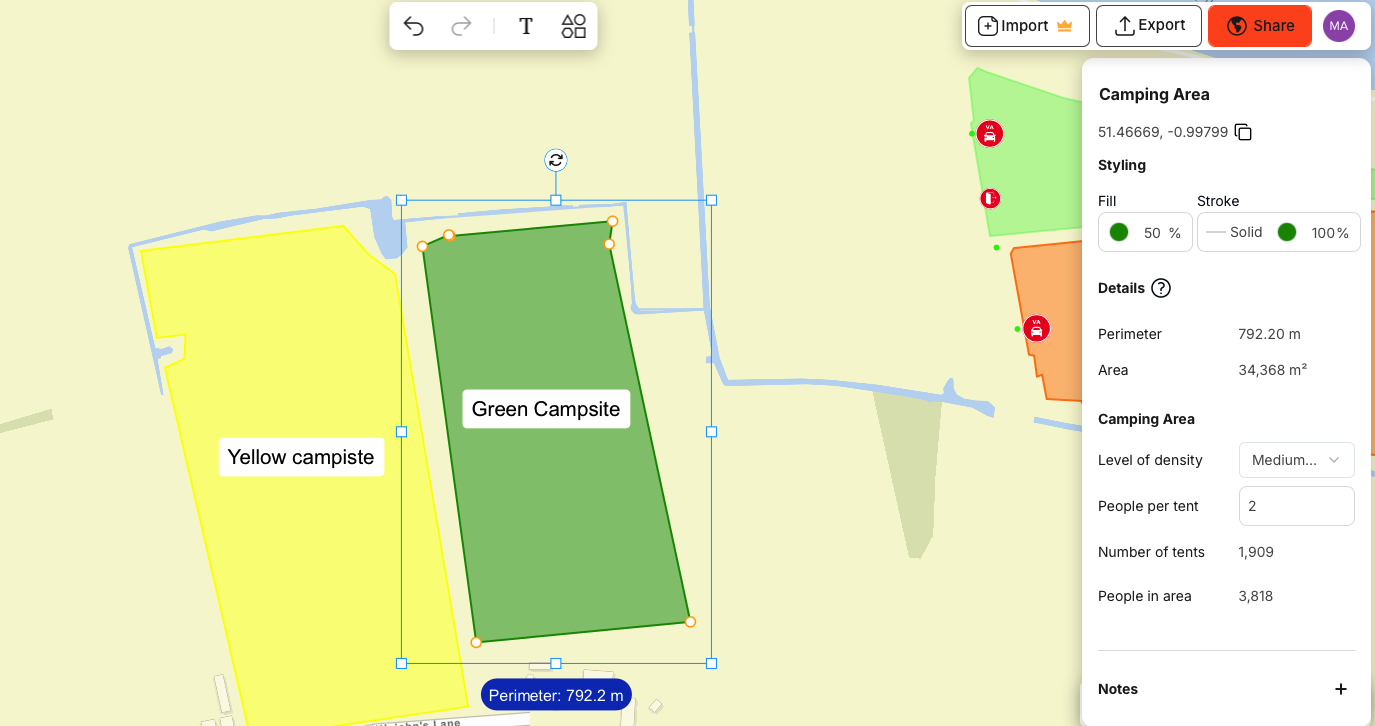
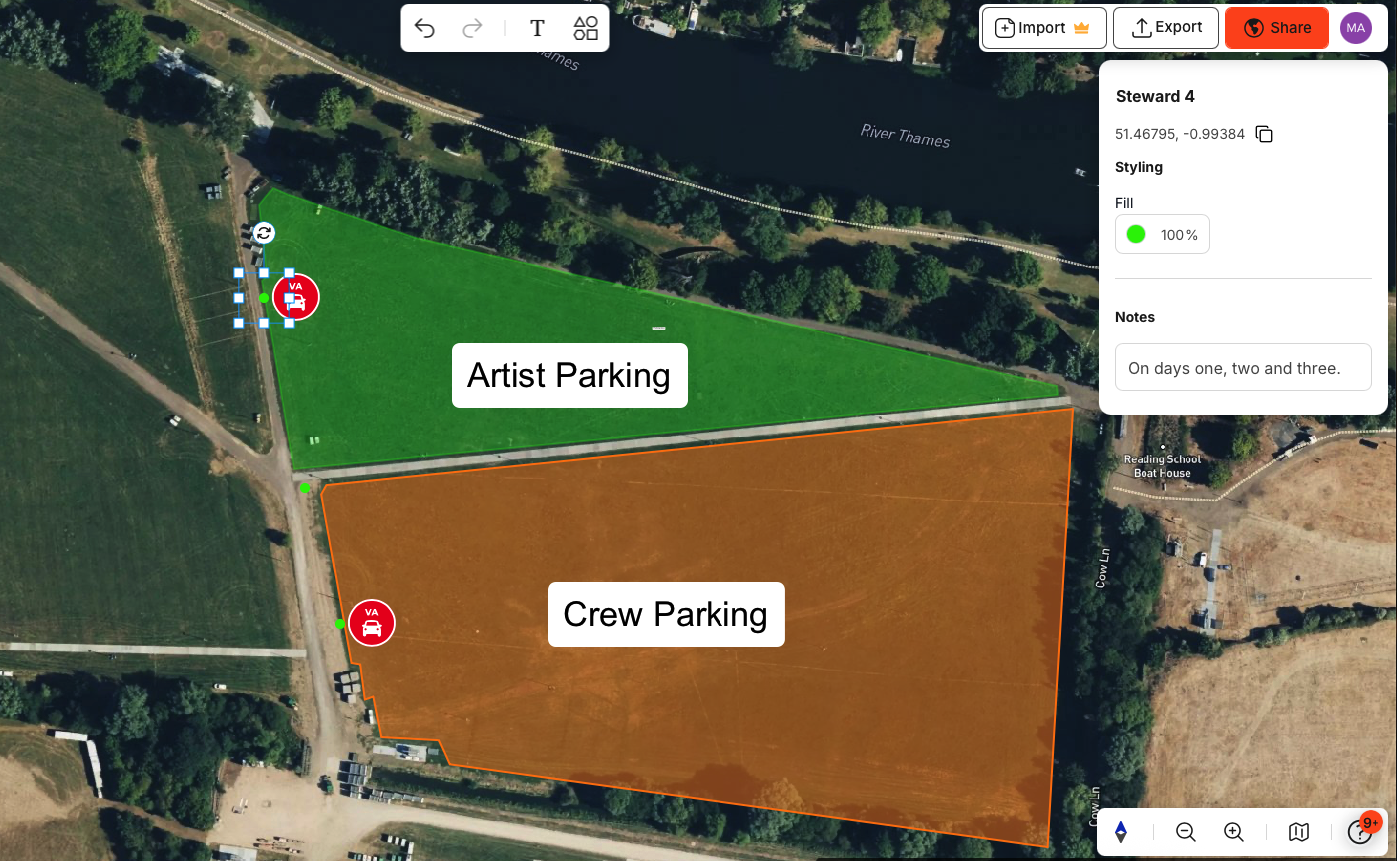
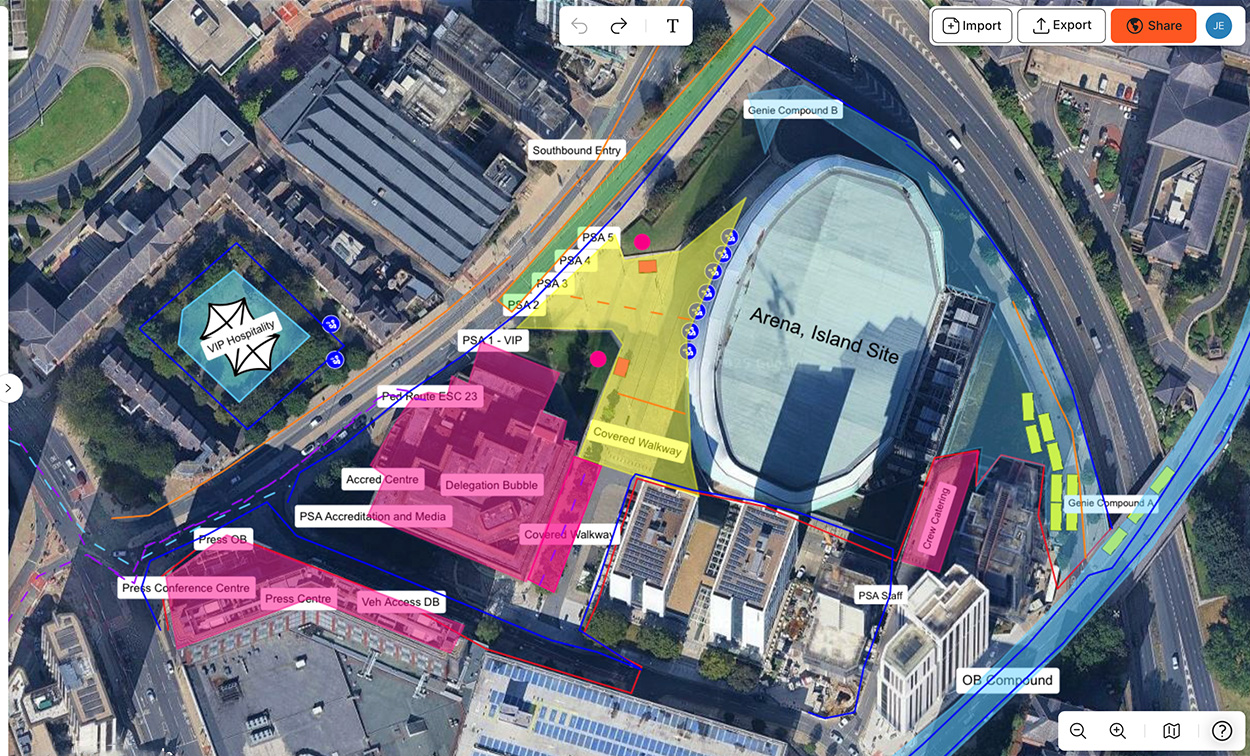
Bring your OnePlan venue map or sketch ideas in real time to visualise layouts, crowd flow, and vendor zones – helping you make faster, data-driven decisions.
Step 6: Review Contracts Carefully
Before signing:
- Review all terms, including payment schedules, cancellation policies, and overtime fees.
- Clarify what’s included in the price – furniture, AV, catering, etc.
- Confirm insurance, liability, and setup/breakdown times.
Never hesitate to negotiate. Even small adjustments to rental fees or included services can have a big impact on your budget. For larger events, consult a legal advisor to ensure your contract fully protects your interests.
Step 7: Confirm Services and Amenities
Clarify exactly what’s included in your rental:
- Tables, chairs, and linens
- Audio-visual equipment
- On-site coordinators or technicians
- Security services – personnel and the hours they’ll work
If the venue doesn’t include what you need, ask about preferred suppliers or external rentals. Getting all costs up front avoids surprise charges later.
Step 8: Leverage Event Technology
Technology can make venue booking far more efficient. Use platforms like Cvent or Eventbrite to manage guest lists and RSVPs, and project management tools like Asana or Trello to track team tasks and deadlines.
Tools like OnePlan take it further — letting you plan the entire site layout in real scale, collaborate with vendors and safety teams, and visualise every detail before event day.
Step 9: Extra Tips for Special Events
- Visit multiple venues before choosing. Comparing options helps you negotiate and refine your vision.
- Confirm setup and breakdown times with the venue. For example, multi-site events often need longer prep periods across multiple locations.
Match the venue’s aesthetic to your theme. A naturally beautiful location can save on décor costs and make a lasting impression.
Step 10: Prepare for Last-Minute Changes
Even the best-planned events can face surprises – weather, supplier issues, or last-minute guest changes.
- Have a backup plan for outdoor events.
- Keep a list of alternative suppliers and traders.
- Use collaboration tools to quickly update your team and partners if something changes.
A clear communication plan ensures smooth coordination no matter what happens.
Final Thoughts
Booking the right venue is about more than logistics – it’s about creating the foundation for a memorable experience.
By understanding your needs, setting a clear budget, and using smart event technology like OnePlan, you’ll simplify your workflow, strengthen collaboration, and deliver events that run seamlessly from start to finish.