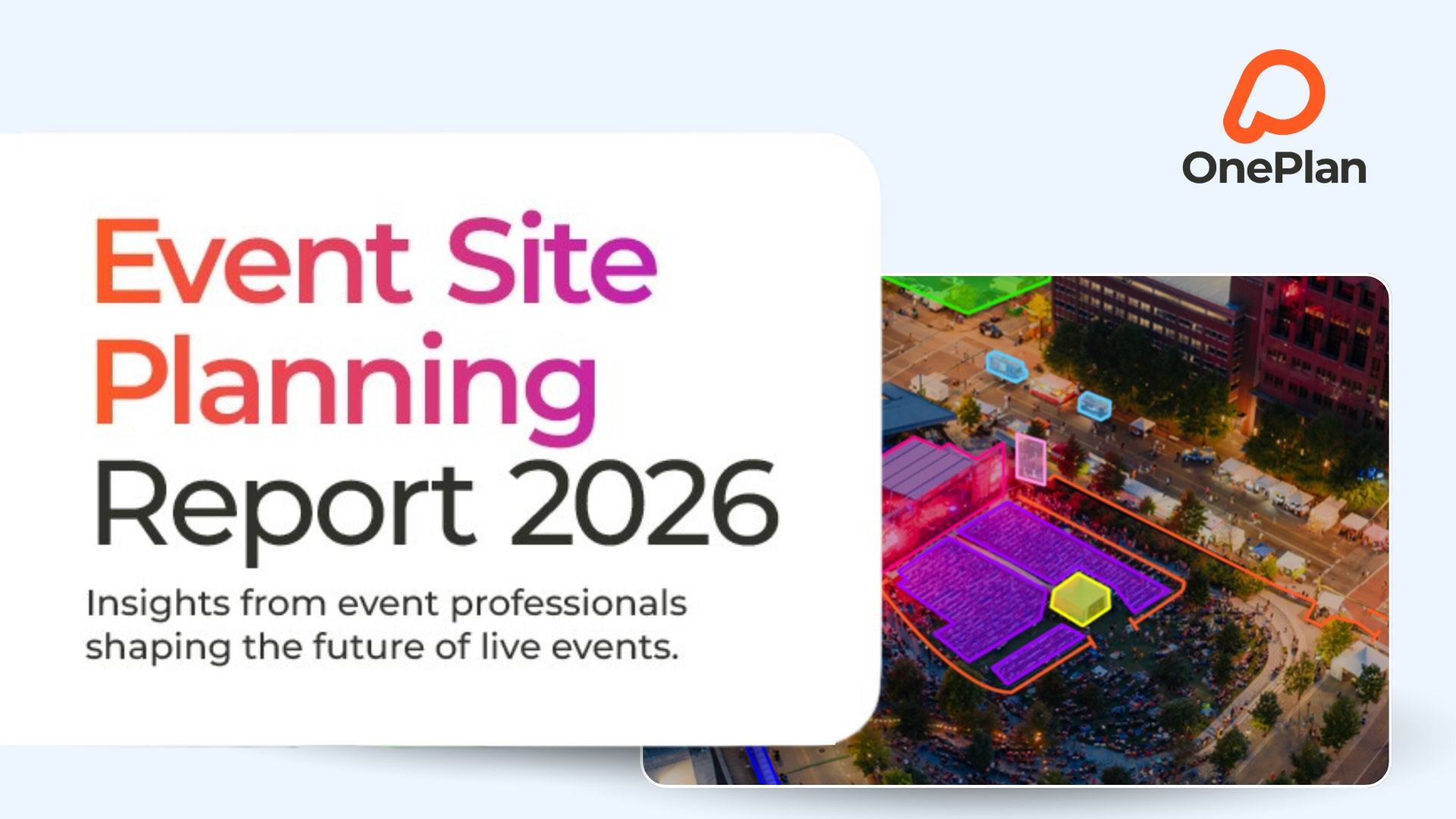
Event planning has never been simple – but this year the pressure on event teams is intensifying. New data in our Event Site Planning Report 2026 highlights the key event planning trends for 2026, and shows that 71% of event professionals say attendee safety and security is their top priority when planning an event site. The data comes from OnePlan’s event industry survey run in Q4 last year.
Crowds are larger. Sites are more complex. Expectations from audiences, partners, and authorities are higher than ever. As a result, safety, accuracy, and collaboration are no longer separate considerations – they are foundational to successful event delivery.
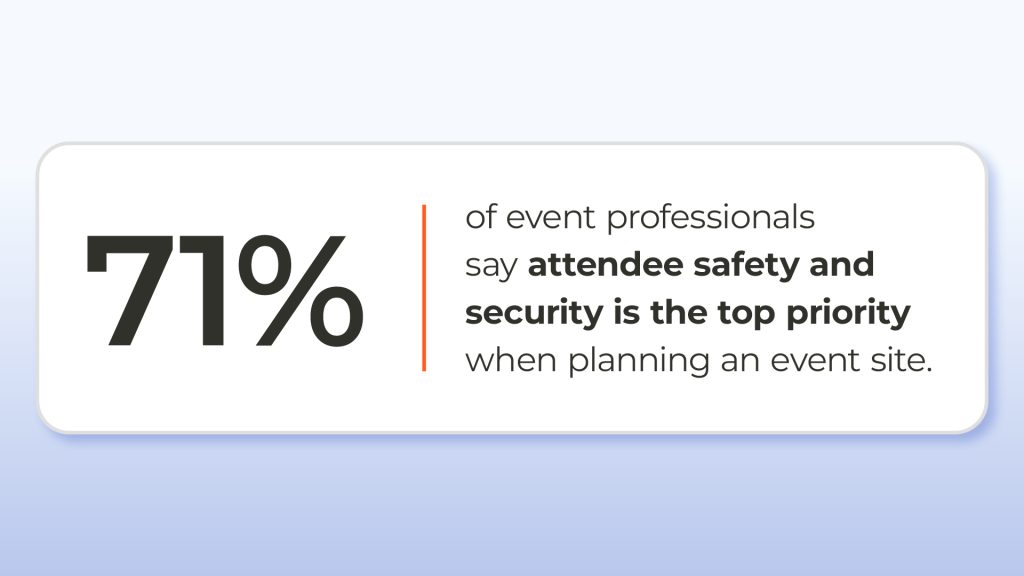
Event planning trends for 2026 show safety and security as the top priority
Safety and security now underpin far more than operational delivery. According to the survey, they are central to:
- gaining trust with audiences and authorities
- securing long-term commercial partnerships
- enabling events to scale year after year
In recent years, high-profile incidents across the live events industry have pushed safety scrutiny into sharper focus. Event teams are responding by designing safer crowd flows earlier, testing layouts before build day, and coordinating emergency access well in advance.
Why safety and security now underpin successful event planning
Safety and security are critical to modern event planning because they directly impact operational delivery, regulatory approval, audience trust, and long-term event viability. Events that demonstrate clear, well-designed safety plans are more likely to secure approvals, build confidence, and return successfully year after year.

This shift means safety planning is no longer owned by a single role. It requires close coordination between event operations, security, medical teams, contractors, and local authorities – all working from the same plan.
Why event site planning accuracy matters more in 2026
As event sites become more ambitious and experience-led, event site planning accuracy has become essential – not just for compliance, but for efficiency and cost control.
The survey found that:
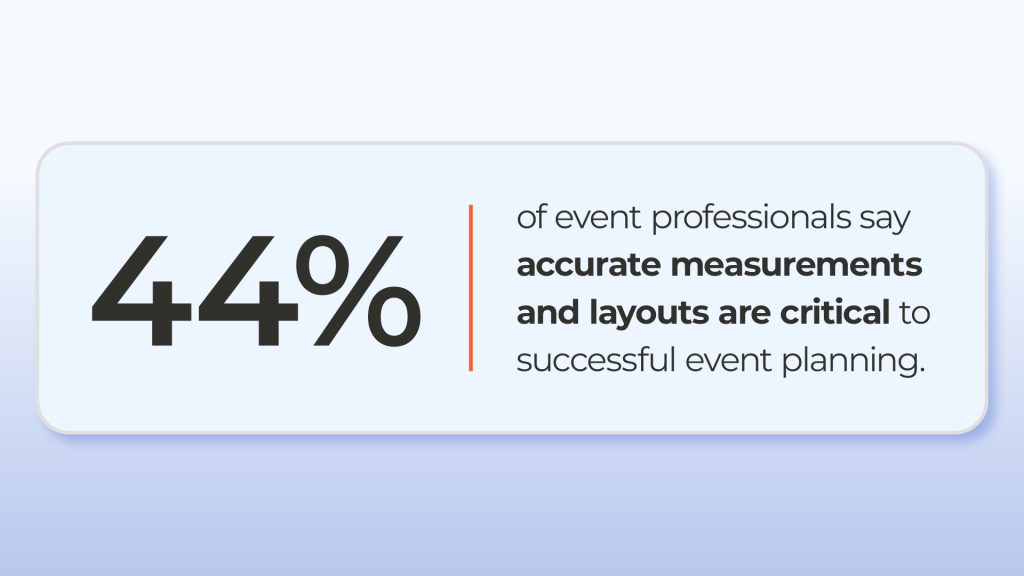
- 44% of event professionals say accurate measurements and layouts are critical to successful event planning
Inaccurate plans can lead to overcrowded spaces, inefficient layouts, unnecessary costs, and late-stage rework on site. In an environment where margins are tight and scrutiny is high, estimates are no longer enough – teams need confidence in their data.
The biggest event planning challenges teams face in 2026
Based on OnePlan’s event industry survey, the biggest event planning challenges in 2026 include:
- ensuring attendee safety and security
- managing complex site layouts and peak capacities
- responding to weather and external factors
- coordinating multiple stakeholders from a single plan
- maintaining accuracy as sites become more experience-led
The data shows that 61% of event professionals say weather and external factors are their biggest stress, while 44% struggle with venue limitations and 41% cite logistics and transport as ongoing challenges.
Why collaboration is now critical in the live events industry
Events are a team sport – and the data reinforces this tension clearly.
- 48% of event professionals say bringing people together is the best part of working in live events
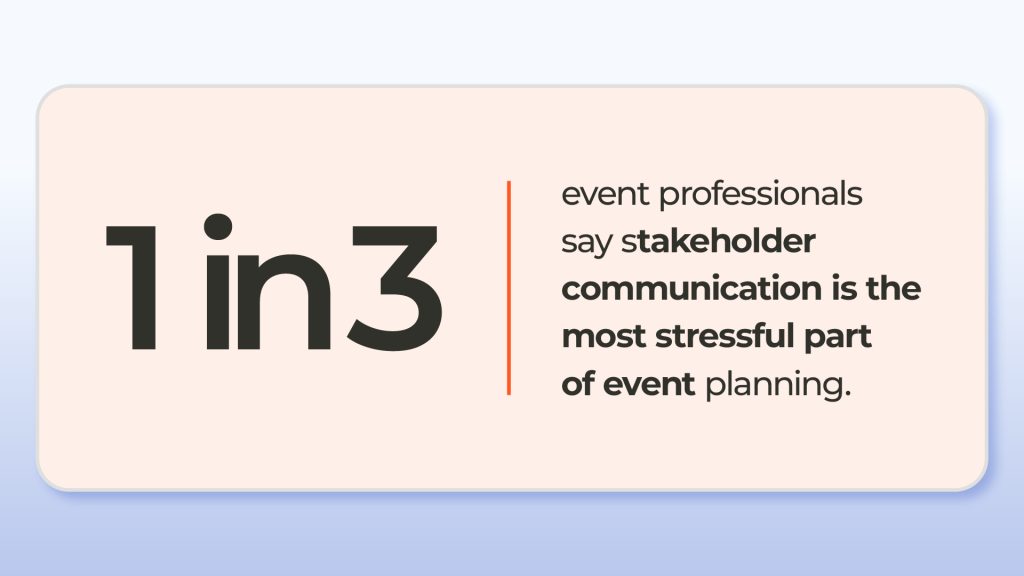
- Yet 1 in 3 say stakeholder communication is the most stressful part of event planning
As events involve more suppliers, partners, and authorities, alignment becomes harder – and more important. The most effective teams are those working from shared, visual plans that give everyone confidence they’re looking at the same, up-to-date information.
What this means for event teams in 2026
Across the survey responses, a consistent pattern emerges. The teams delivering the strongest outcomes in 2026 are those that:
- think carefully about how people move, gather, and experience a space
- rely on accurate layouts and real-world measurements to make decisions
- bring multiple stakeholders into the planning process early and clearly
As events grow more complex and more collaborative, the tools teams use to plan them matter just as much as experience and expertise.
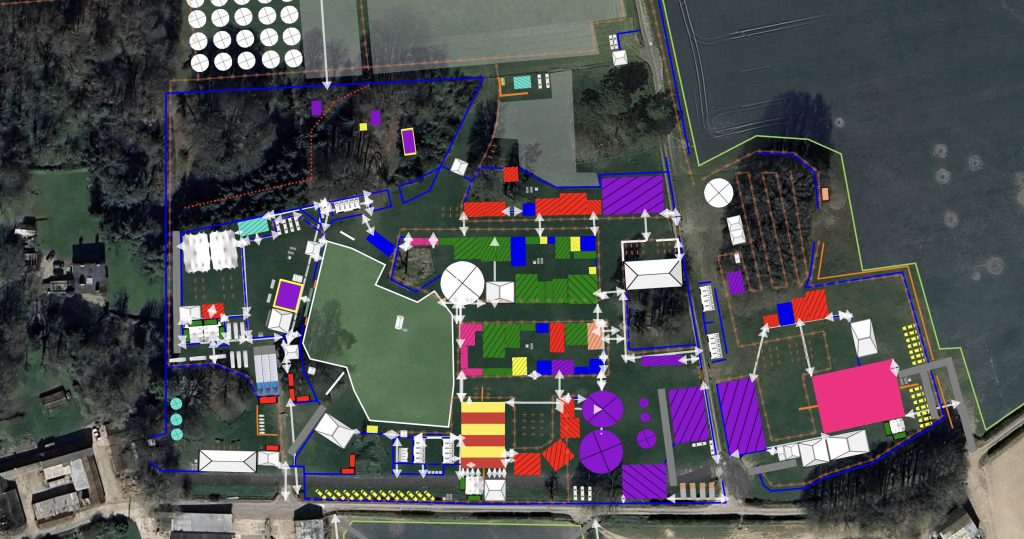
Across the survey responses, a consistent pattern emerges. The teams delivering the strongest outcomes in 2026 are those that:
- think carefully about how people move, gather, and experience a space
- rely on accurate layouts and real-world measurements to make decisions
- bring multiple stakeholders into the planning process early and clearly
As events grow more complex and more collaborative, the tools teams use to plan them matter just as much as experience and expertise.
Download the Event Site Planning Report 2026
The Event Site Planning Report 2026 is based on data from event professionals across venues, festivals, sports events, and community programmes, collected between October and December 2025.
👉 Download the Event Site Planning Report 2026
If you’re planning events in 2026 – or shaping how your organisation approaches safety, accuracy, and collaboration – this report provides a clear snapshot of where the industry is heading.