




































5 minutes read

Three Protests, One Opening Ceremony: Why Event Planning Is Spatial Design

Traditional Korean building

By Paul Foster  | Founder & CEO, OnePlan

Paul Foster is the Founder & CEO of OnePlan, and was the Official Supporter of GIS Mapping & Digital Twin Software for Paris 2024. He has been involved in nine Olympic and Paralympic Games.

PyeongChang, South Korea. February 9, 2018. Two hours before the Olympic Opening Ceremony.

Outside the stadium perimeter, three protests were unfolding simultaneously:

A tightly organised, uniformed demonstration, clearly briefed, clearly timed, positioned with precision near the main spectator approach.

A very enthusiastic geopolitical fan club, complete with coordinated signage, occupying a highly visible corner near the media zone.

A lone protester with an explicitly discriminatory message, delivered with a portable speaker and admirable persistence, stationed at a pedestrian junction.

Different messages. Different tactics. Same postcode.

At the time, I was Project Director overseeing crowd management planning across all Olympic venues. What struck me that evening wasn’t tension, it was calm, the ceremony started exactly on time. Fifty thousand ticket holders entered without incident, the media got their shots, the protests were visible, audible, and entirely peaceful. And none of them accidentally conflicted with each other, the transport operations, or the security perimeter.

This didn’t happen by accident. It happened because someone, months earlier, had treated protest planning not as a security problem to be suppressed, but as a spatial design problem to be solved.

The Problem with “Security First” Thinking

Large-scale events attract visibility. Visibility attracts people who would very much like to borrow it for their own purposes. This is not a bug, it’s a feature of operating in public space.

The instinctive response, particularly from teams focused on risk mitigation, is to treat protest as a threat vector, something to be contained, minimised, or ideally prevented. You see this reflected in planning documents that frame demonstrations exclusively through the lens of disruption: how many people, how loud, how close to the venue, how quickly can we clear them if needed.

This framing isn’t wrong, exactly. But it’s incomplete. And incompleteness, at the scale of an Olympic Games, creates problems.

If you plan only for containment, you end up with conflicts you didn’t anticipate: protesters occupying a route you needed for emergency vehicle access. Counter-protesters arriving in the same location as the original group. Media crews trying to film from a position that blocks pedestrian flow. A single moral objector with a loudspeaker positioned directly outside the VIP entrance, creating an optics problem that could have been avoided with slightly different spatial planning.

The better approach, the one that actually worked in PyeongChang, starts with a different question: not “how do we stop this?” but “where does this belong?”

Spatial Design, Not Risk Management

What I learned across multiple Olympic cycles is that protest planning is fundamentally a spatial design problem. You have multiple actors with competing objectives, all operating in a finite physical space, all deserving of consideration.

The protesters have a right to be visible and audible. The ticket holders have a right to access the venue without intimidation or obstruction. The media have a job to do. The emergency services need clear routes. The local residents need access to their own streets. The VIPs require certain operational realities to be managed.

None of these needs is inherently more important than the others. But they do interact, often in ways that create genuine conflicts. And those conflicts only become solvable when you can see them spatially.

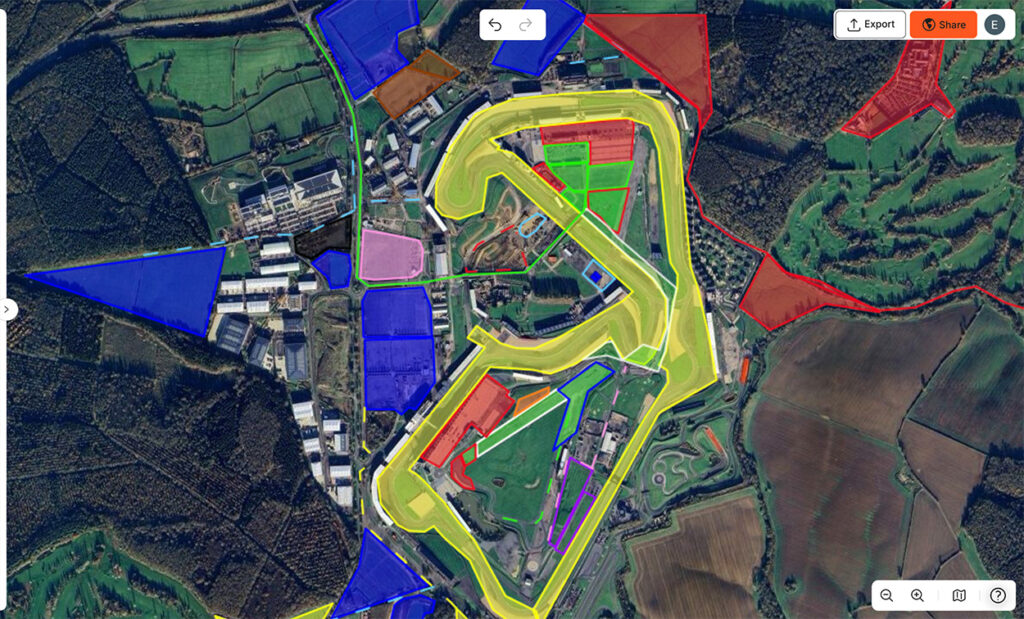
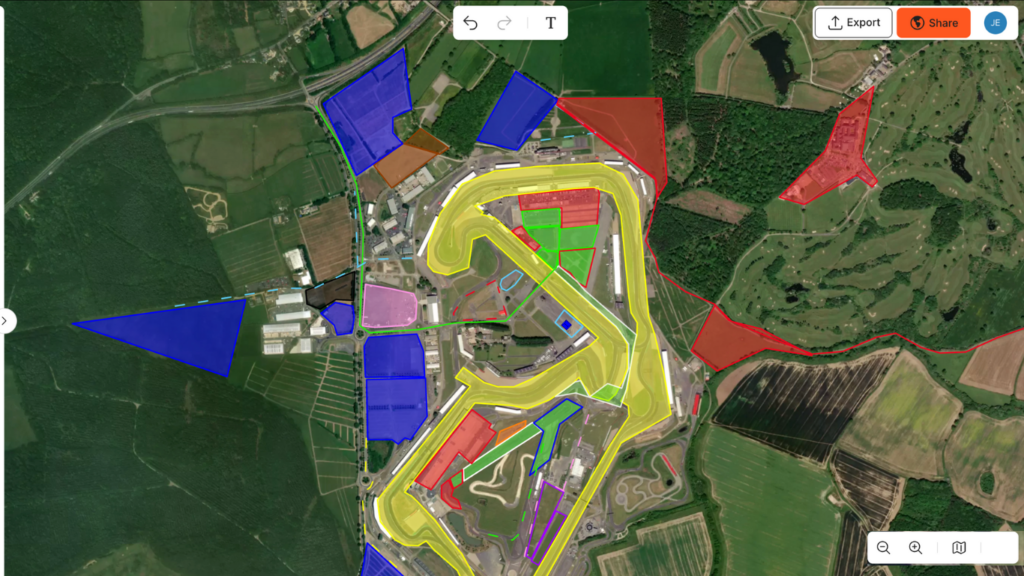
In PyeongChang, the three protests I witnessed had been anticipated, not in their precise messaging, but in their likely existence. The planning team had identified zones where protest activity could be visible and audible without blocking spectator flow, interfering with emergency access, or creating confrontation between opposing groups. Each protest had been spatially separated from the others. Each had been positioned where media could film them if they chose to, but where they wouldn’t dominate the visual frame of every broadcast shot.

This is what good spatial design looks like in practice. It’s not about control. It’s about creating the conditions for multiple legitimate activities to coexist in the same physical environment.

The Operational Prerequisites

To plan for protest spatially, you need three things that many event teams still don’t have:

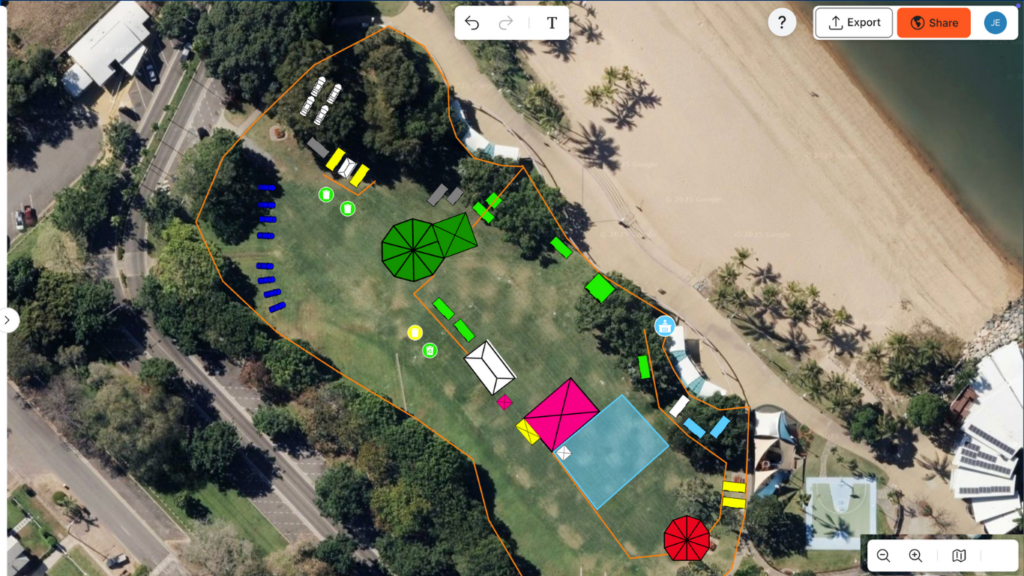
First, a shared spatial model. Every functional area, security, transport, ticketing, media, protocol, needs to be working from the same map, with the same constraints visible. If the security team doesn’t know where the broadcast team has positioned cameras, or the transport team doesn’t know where the protocol team has designated a VIP route, you’re planning in silos. And silos create conflicts.

Second, early identification. You need to surface potential protest activity as early as possible, not to prevent it, but to incorporate it into the operational picture. This requires intelligence work, yes, but more importantly it requires an operational culture that treats protest as a legitimate planning variable rather than an external threat.

Third, the ability to test scenarios. If you can model what happens when three different groups occupy three different locations, you can identify conflicts before they become physical. Does the planned protest zone block the emergency vehicle route? Does it create a pinch point in the pedestrian flow? Does it position opposing groups within sight of each other in a way that creates tension? These are answerable questions if you have the tools to ask them.

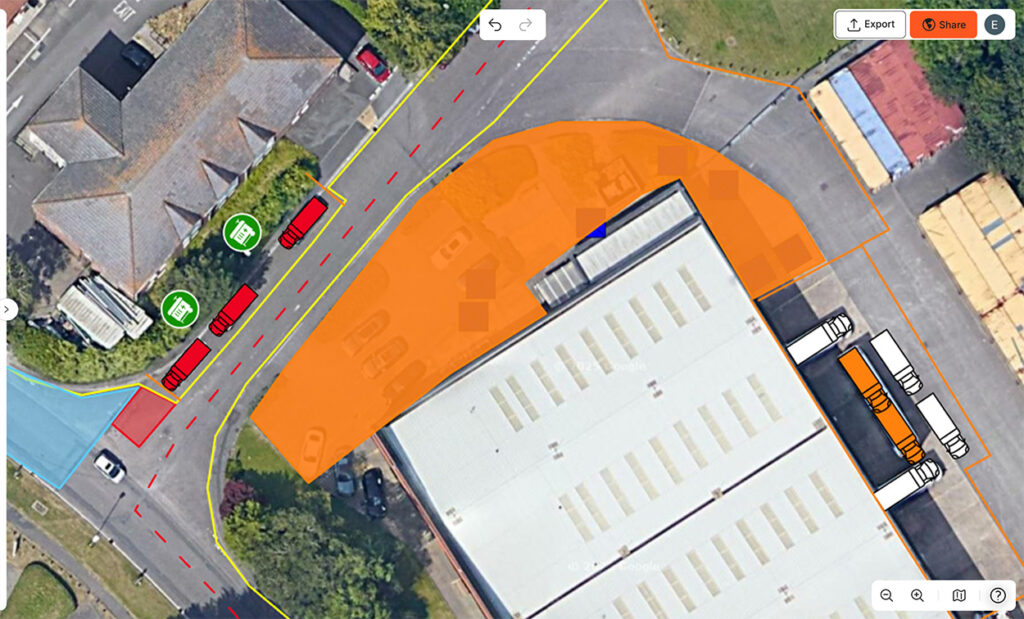
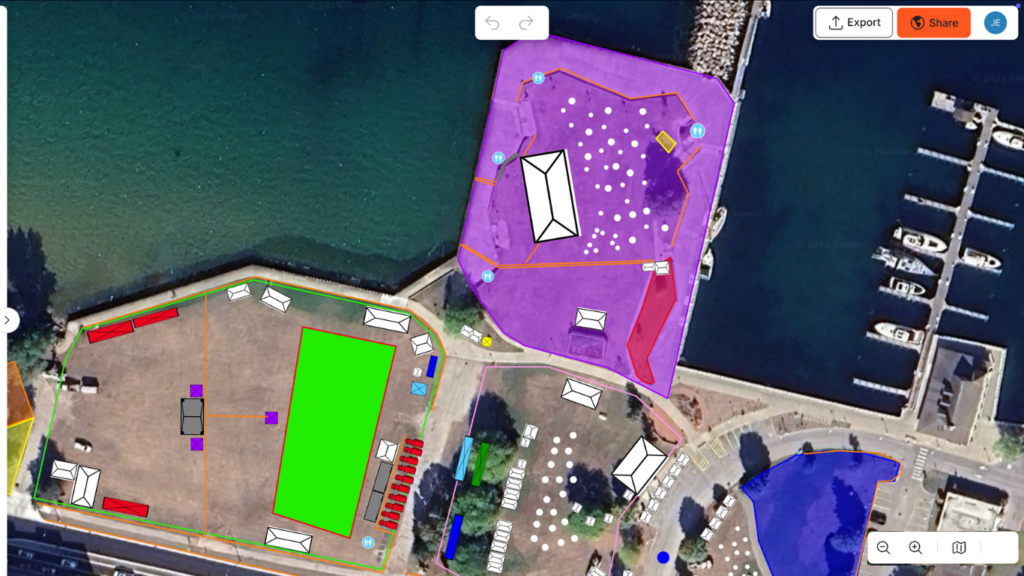
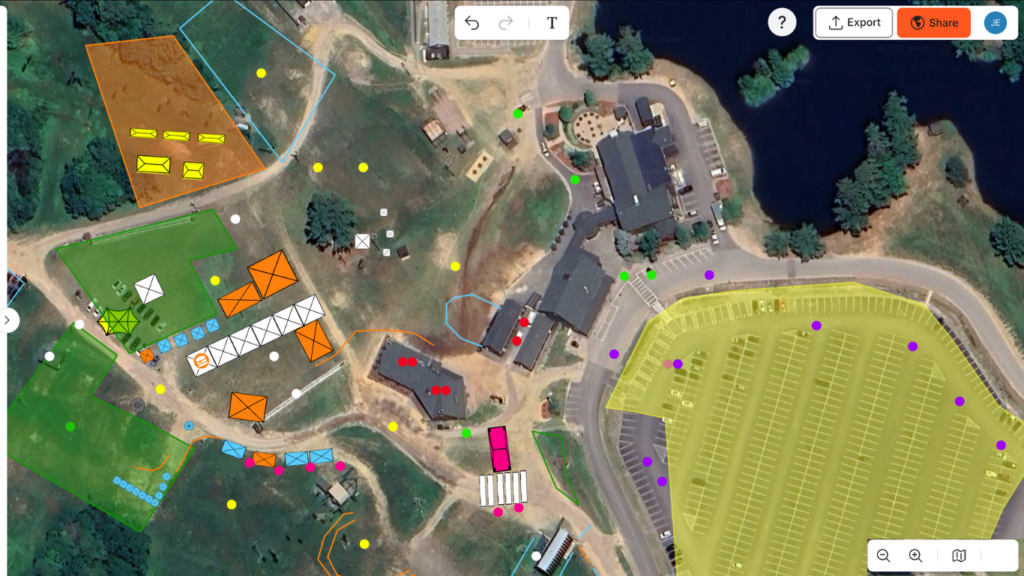
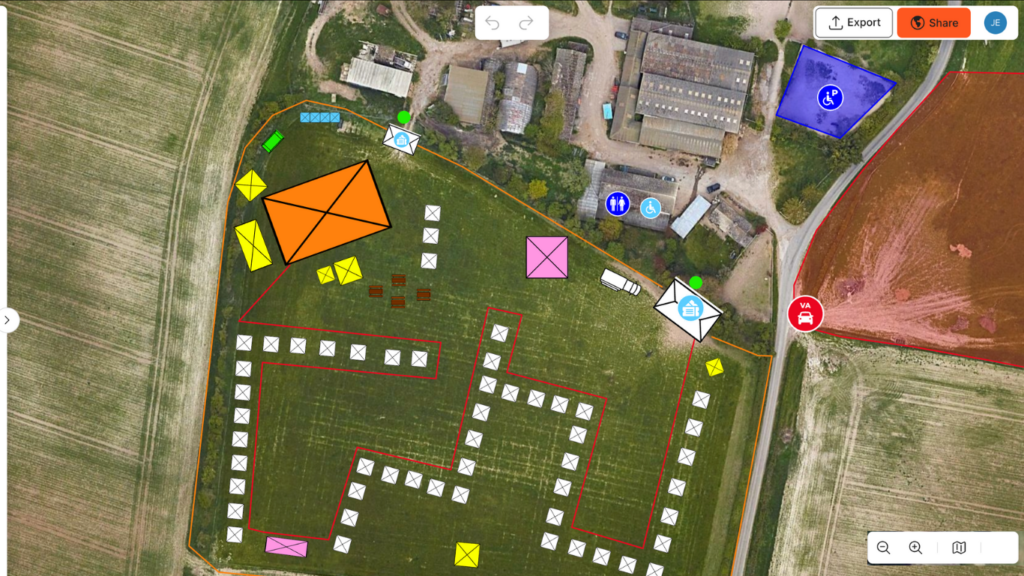
At OnePlan, this is exactly the kind of scenario we’ve designed our platform to support. The digital twin capability we’ve developed as the IOC’s official supplier allows organising teams to model not just the physical venue, but the operational layers on top of it, including protest activity, crowd movement, emergency access, and media zones. You can see the conflicts before they happen. You can test solutions. You can coordinate across functional areas.

This isn’t theoretical, it’s how modern event planning works when it’s done well.

Beyond the Olympics

The principles here extend well beyond Olympic Opening Ceremonies. Any event that operates in public space, political conventions, large-scale festivals, major sporting fixtures, public ceremonies, will attract people who want to be seen and heard. That’s the nature of public space.

The question for organisers is whether you’re going to plan for that reality or be surprised by it. And planning for it requires a shift in mindset from “how do we prevent this?” to “where does this fit?”

I’ve seen this work in practice across multiple Games. I’ve also seen what happens when it doesn’t work, when protest activity is treated as an afterthought, or when the spatial planning is done by a single functional area without visibility of what everyone else is doing. The result is predictable: conflicts discovered on-site, solved reactively, often at significant operational cost.

The better approach requires coordination, early planning, and a shared operational picture. It requires treating public space as something that accommodates multiple legitimate uses, not something to be locked down.

A Different Kind of Success

That evening in PyeongChang, as fifty thousand spectators filed into the stadium and three separate protests unfolded peacefully outside, the operational success wasn’t that the protests were silent or invisible. The success was that everyone, protesters, spectators, media, emergency services, was able to do what they came to do, in the same physical space, at the same time, without conflict.

That’s not a security outcome. That’s a design outcome.

Large-scale events don’t exist in isolation. They attract visibility, symbolism, cameras, and people who would very much like to borrow all three. If you plan only for the ceremony inside the fence, reality will line up outside with a placard and a loudspeaker and prove you wrong.

Good event planning isn’t about stopping protests. It’s about ensuring they don’t accidentally conflict with each other, the media, or fifty thousand ticket holders at the same time.

The goal was never control, the goal was calm, and in PyeongChang, we got exactly that.

Social Share or Summarize with AI

Related Posts

Plan safer, more comfortable campsites with OnePlan’s campsite capacity calculator. Learn how it works and how it helps event organizers planning and managing camping areas.

Hit enter to search or ESC to close