
































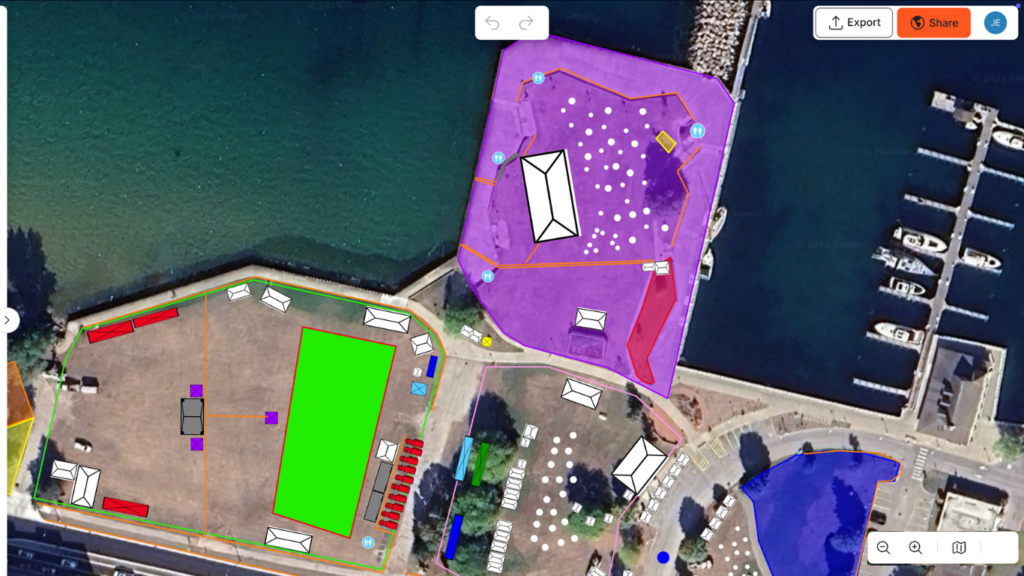
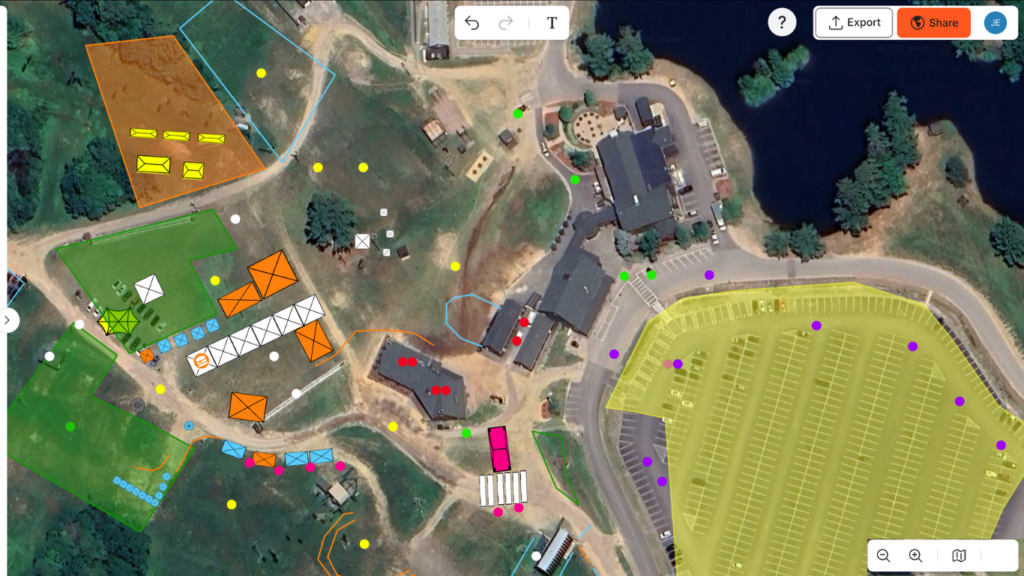
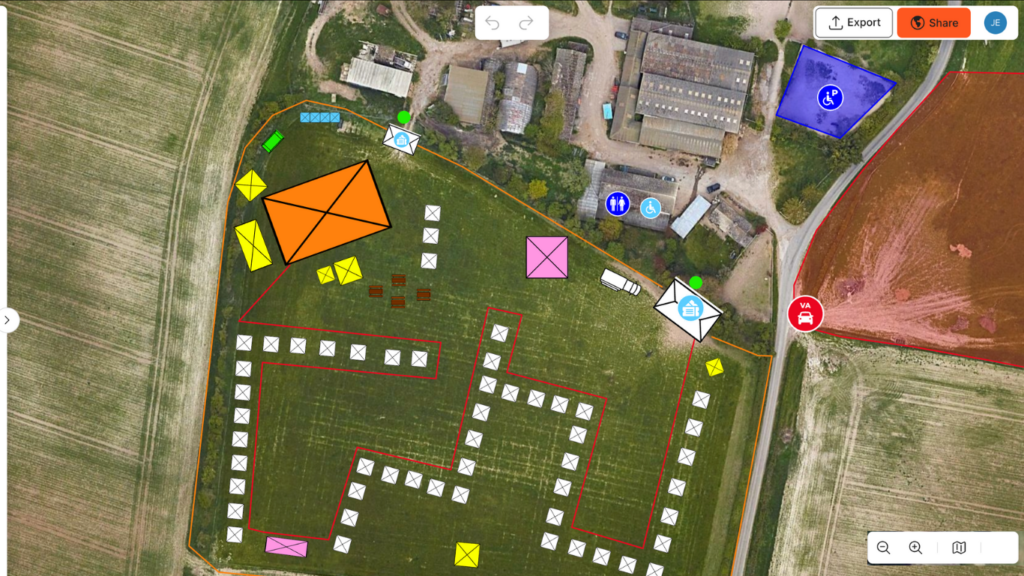
Special Olympics Virginia (SOVA) is part of the global Special Olympics movement, providing year-round sports training, competition, and community engagement for athletes with intellectual disabilities. The organization’s events range from high-energy state championships to community-driven fundraising experiences, all designed to celebrate the abilities and achievements of its athletes while bringing people together in support of its mission.
As Casey Joyce, Director of Fitness and Events at SOVA, explains, the organization hosts numerous events each year, serving thousands of participants and spectators. “The minimum number of people we are serving at these events are at least 1,000 people, generally around 4,000 – 5,000 people minimum, depending on the event, the event location and venue,” she says.
SOVA’s events span both programming and fundraising. Casey highlights the organization’s unique approach: “We’ve utilized OnePlan for both fundraising events and competition events, it’s really fun and kind of a rare thing in a nonprofit for both sides of the aisle to benefit from one software or one process and protocol.”
Two events illustrate this scale: the Summer Games, SOVA’s state championships, and the Polar Bear Plunge, a fundraising event in which participants plunge into icy Atlantic waters. Casey notes, “We see like 5 and a half thousand people running into the Atlantic Ocean! About 25%, I believe a little higher, of our operating expenses come from that one event.”
Despite these large-scale operations, SOVA relies on a small internal team and a network of volunteers. “We actually have a pretty small planning team, but we really rely on volunteers,” Casey adds, highlighting the grassroots nature of the organization.
Pain Points Before OnePlan
Before adopting OnePlan, event planning at SOVA was fragmented and time-consuming. Different departments worked in silos, using separate tools for mapping and logistics. Casey recalls, “We worked in silos and there was low visibility across departments or teams or areas of responsibility, and we were all using different tools – Photoshop, Illustrator, InDesign.”
This lack of integration created confusion, duplicated effort, and inefficiencies. Volunteer check-in areas, for example, often straddled both sport and non-sport responsibilities, appearing on multiple maps.
The reliance on multiple tools also made sharing plans with vendors and volunteers cumbersome. Tent vendors, responsible for dozens of tents across large campuses, previously received compiled maps from multiple sources. “I started to notice where tenting was concerned, things could get confusing. We’d have overlapping information, and visibility into each other’s work was limited,” Casey notes.
Outdoor and large-scale events like the Summer Games required precise measurements for tents, staging, and volunteer areas. Casey describes the painstaking process: “I’d take a walking measuring stick to campus, text myself the numbers, and when I got back, I couldn’t remember which area was 50 feet and which was 54 feet.”
Overall, the planning process was labor-intensive, stressful, and prone to errors. As Casey puts it, “Maps should be working for us, not us working for the data.”
Finding a Better Way to Plan
Frustrated by their current processes, Special Olympics Virginia began exploring solutions to unify work across departments. Casey recalls how it all started: “I got an email about OnePlan and thought, why not? I jumped on a demo with the team to see what it was all about.”
After the demo, Casey connected with another Special Olympics team already using OnePlan. “I met with a contact from another state’s Special Olympics team – they were using it just for their signage, but they were loving it. That really made me think, if it works for them, it could work for us on a much larger scale.”
The team quickly recognized the potential to bring both the program and development sides together under a single, flexible system. Casey explains, “Often in nonprofits, the mission side and the development side don’t speak the same language or operate similarly. OnePlan has been really cool to see how it works for both fundraising and competition events.”
Cost considerations were also important. As Casey notes, “We’re nonprofits, so ROI matters. Either the whole team buys in, or we can’t do it. If it made sense for development to use it for fundraisers, and for programming to use it for competitions, then it became worth the investment.”
Since adopting OnePlan, the platform has been used for multiple large-scale events. Casey highlights the ease of adoption and versatility: “It’s rare in nonprofit work to find one system that actually fits multiple teams so well.”
Teamwork Made Easier
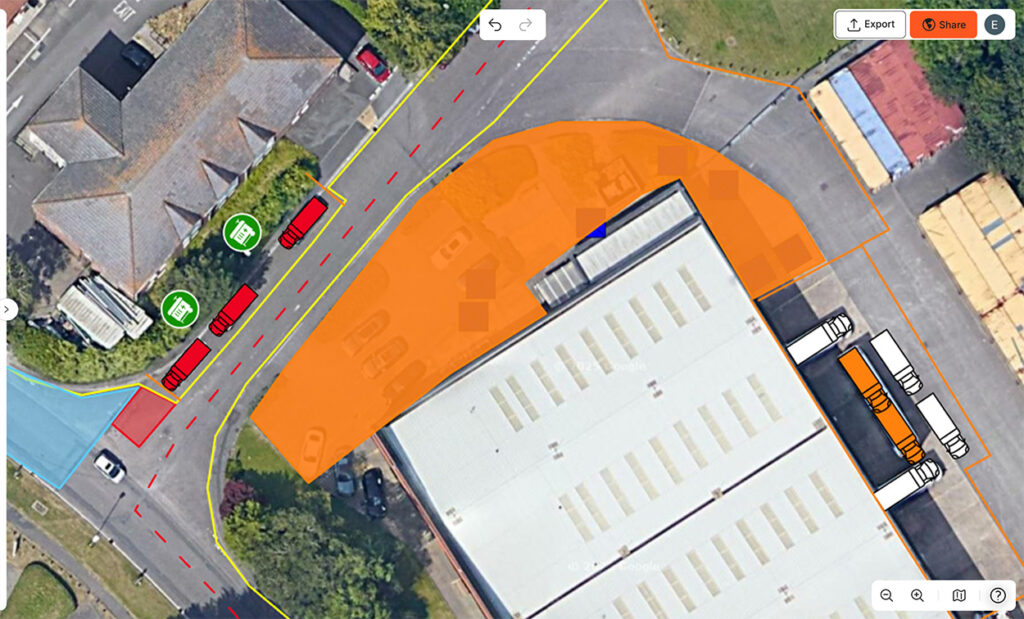
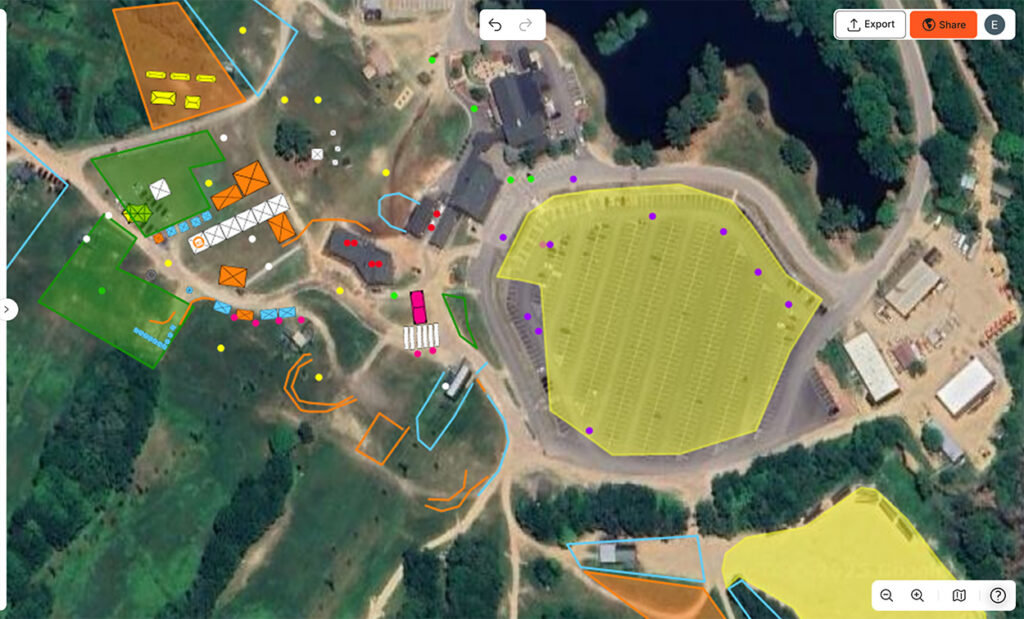
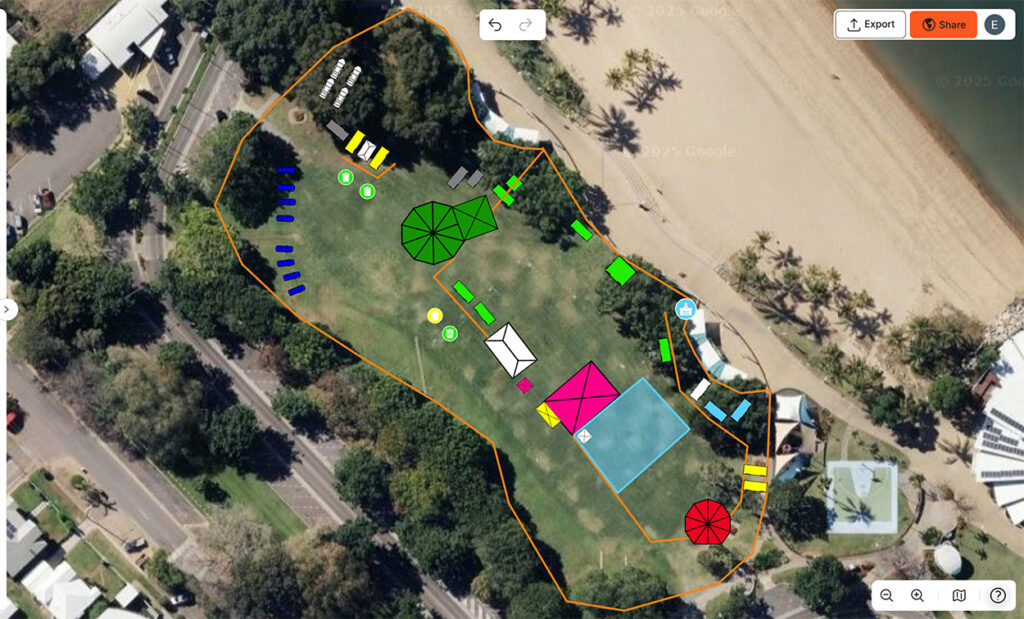
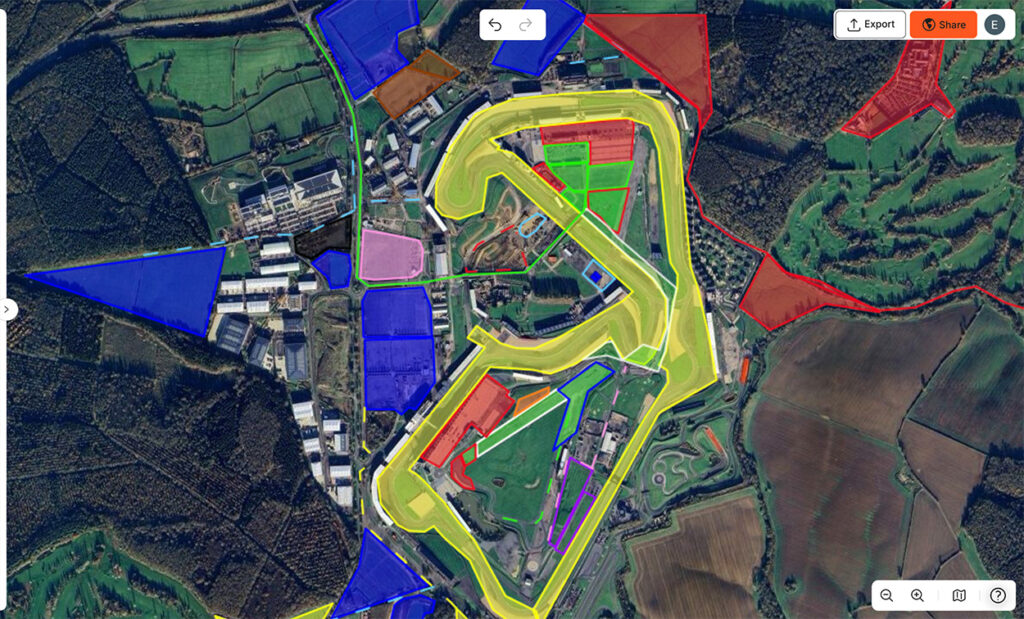
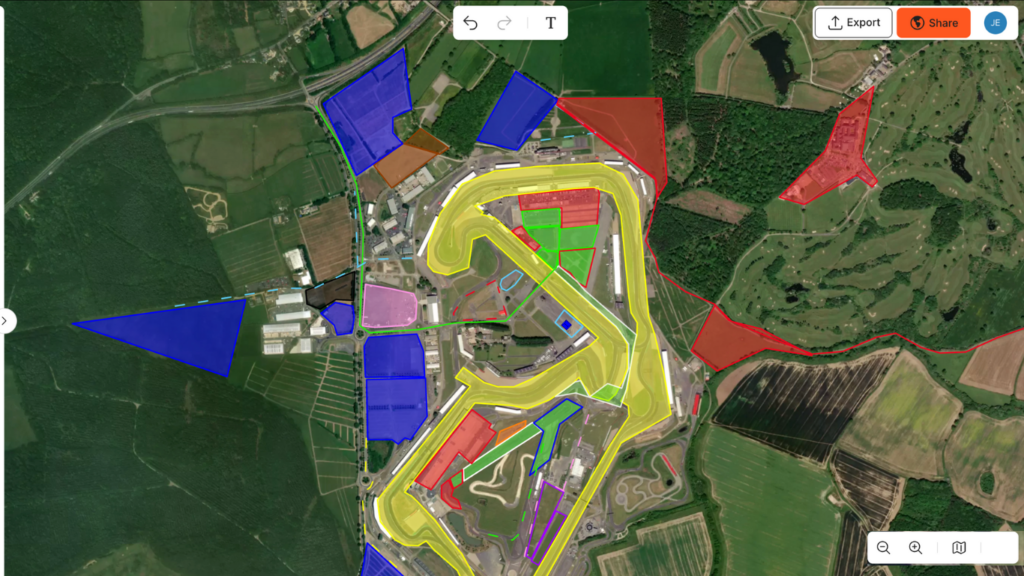
Special Olympics Virginia’s planning involves multiple stakeholders: program managers, development teams, volunteers, and vendors. With OnePlan, everyone can access scaled, visual maps of event layouts, creating a shared understanding of logistics and eliminating confusion.
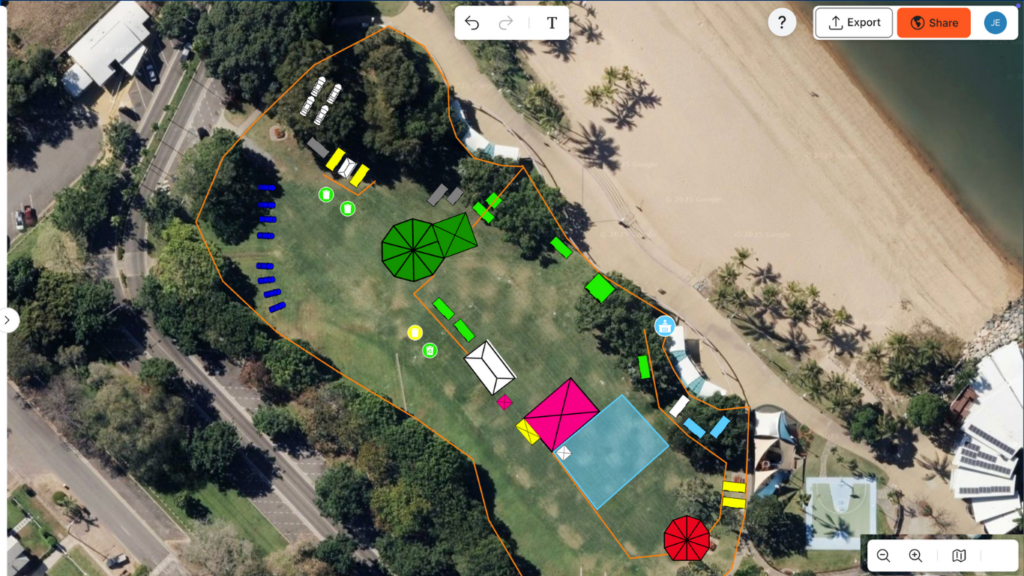
Casey highlights the impact on vendor coordination: “We send view-only links to our tent company for all our tents, tables, and chairs. With over 30 tents of varying sizes, it’s incredibly helpful. Everyone has clarity on placement, reducing setup errors.”
The platform’s flexibility also makes managing transitions between different parts of an event seamless. During the Summer Games, the Opening Ceremony requires a stage setup that is later removed for track competitions. OnePlan’s layering feature allows Casey to show only the relevant setup to the setup crew, while providing the full plan to university staff when needed.
Casey explains, “The hiding feature has been massively helpful. I have an Opening Ceremony folder, and I can hide it when sharing setup instructions for the competition. It’s simple and efficient.”
By providing a single source of truth for all stakeholders, OnePlan has streamlined collaboration, improved clarity, and ensured events run smoothly from setup to execution.
How OnePlan Makes Life Easier
OnePlan has transformed how Special Olympics Virginia approaches event planning, with features that save time, reduce errors, and improve coordination.
Scaled mapping and object placement tools eliminate tedious manual measurements, making every tent, chair, and vendor placement easy to visualize. “Everything is accurate and easy to visualize – I no longer have to measure by hand or second-guess distances,” Casey notes.
Real-time updates to site plans have also enhanced collaboration. Volunteers, staff, and vendors can view and update plans instantly, ensuring everyone is aligned on site. “Being able to update maps on the go has made on-site coordination so much smoother. If there’s a last-minute change, everyone sees it immediately,” Casey explains.
Historical maps and saved layouts make repeat events easier to plan, applying lessons learned from prior years. For high-profile events like the Summer Games, clear visual plans reduce risk, ensuring responsibilities and placements are understood. “It’s nice not having a ‘he said, she said’ scenario. We provide a map, mistakes are clear, and rectifications are straightforward,” Casey adds.
Together, these features have streamlined planning, minimized errors, and empowered the team to execute complex events with confidence.
Huge Time-Saving Benefits Thanks to OnePlan
With OnePlan, Casey and her team have turned event planning from a stressful, fragmented process into a streamlined, collaborative operation. The platform saves staff time, reduces errors, and allows the team to focus on delivering exceptional experiences for athletes and spectators alike.
“The amount of time saved is tenfold. We’ve gone from days of measuring and mapping by hand to just hours, or even minutes, on the platform. It reduces stress and risk while allowing us to focus on the attendee experience,” Casey reflects. “It takes more work the first time, but it pays dividends every year. Summer Games this year should be breezy because a lot is already in there.”
These efficiencies have delivered measurable impact: SOVA now saves roughly 20 hours and $1,000 per event through reduced staff time, fewer setup errors, and streamlined vendor coordination.
By bringing planning, communication, and historical data into a single platform, SOVA now has a tool that grows with their events. Casey sums it up: “Nothing beats the reduction in risk, stress, and time. In five, ten years, we’ll look back and ask how we ever planned without an integrated mapping system.”
Excited for What’s Next
With OnePlan, Special Olympics Virginia has gained a planning system that not only supports current events but also scales with future growth. The platform’s integration allows the team to capture lessons learned, preserve historical layouts, and apply them to upcoming events, creating a foundation for continuous improvement.
Beyond operational efficiency, the system has enhanced transparency and accountability, ensuring all stakeholders, from volunteers to external vendors, have clarity on their responsibilities.
Looking ahead, the SOVA team is excited to continue planning with OnePlan, confident that the platform will support even more ambitious events and help them deliver exceptional experiences for athletes and spectators alike. Casey sums it up: “I would absolutely recommend OnePlan to anyone. It’s made our planning smoother, faster, and so much less stressful – I can’t imagine going back.”
Photos: Special Olympics Virginia
Ready to save time and reduce stress at your next event? See how OnePlan can work for your organization and book a demo with one of our team >